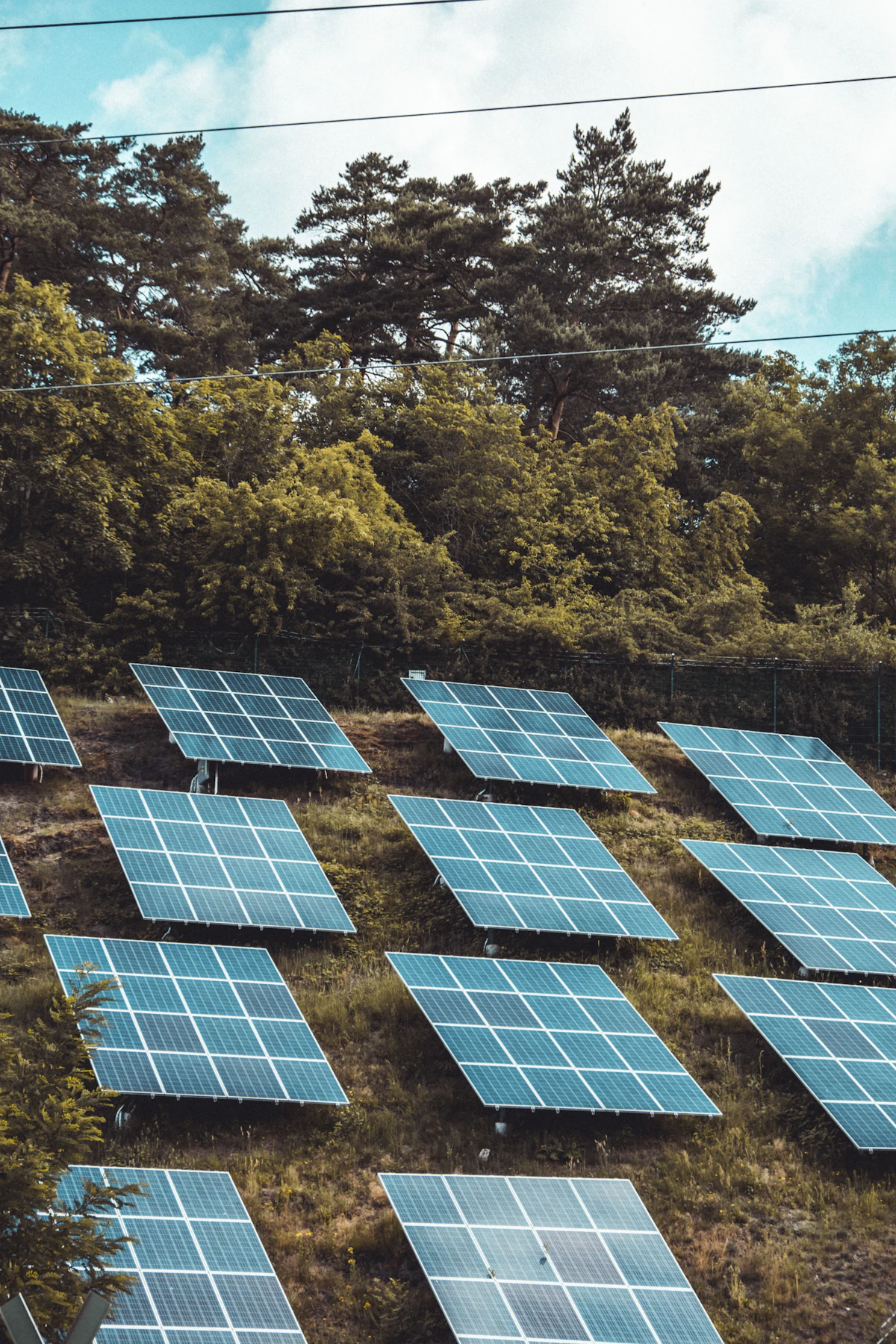
Ground-mounted solar projects often represent significant capital investments. Unlike residential rooftop solar, where the roof inherently provides the structural foundation, a ground-mounted solar system requires building an entire structure from scratch. With these systems generally seeing costs 10% to 20% higher than equivalent capacity rooftop setups, it begs the question—where exactly does the money go?
To accurately plan a ground solar project and optimize your budget, it's essential to understand the individual cost components. In this guide, we break down the five major financial buckets that comprise a typical ground-mounted solar installation.
1. Core Equipment: Panels and Inverters
The photovoltaic panels and inverters form the power-generation core of the project. Due to economies of scale, panel prices have steadily decreased, making them a smaller slice of the total systemic cost than they were a decade ago.
- Solar Panels: Ranging from $0.35 to $0.65 per watt depending on efficiency, warranty, and brand pedigree. Ground-mounts often utilize bi-facial panels which have a slight cost premium but yield much higher production from albedo (reflected light).
- Inverters: You generally choose between central inverters (best for multi-megawatt farms) and string inverters (best for sub-1MW installations). Inverters account for roughly 8-12% of the project budget.
2. Structural Racking & Mounting Systems
This is where ground-mounted systems diverge financially from rooftop systems. A rooftop system uses light aluminum rails bolted to existing rafters. A ground-mounted system requires massive spans of specialized steel or aluminum racking built to withstand local wind loads and heavy snow accumulation.
Standard fixed-tilt racking is the most economical. For those looking to increase their energy yield, single-axis tracking systems—which follow the sun east to west—typically add 10-20% to the racking and mounting budget but can boost overall yield by 15-25%.
3. Foundation and Soil Work
The type of soil on your property heavily influences foundation costs. If the soil is clear and stable, installers can rapidly pound galvanized steel driven piles into the ground using specialized machinery. This is the fastest and cheapest foundation method.
However, if your land has substantial bedrock, loose sandy soil, or capped landfill status, developers must use expensive alternatives:
- Helical Piles (Ground Screws): Drilled into tougher soil or rock. Increases foundation cost by 15-30%.
- Ballasted Foundations: Massive pre-cast concrete blocks laid on the surface. Used on landfills, brownfields, or extremely rocky terrain. Increases foundation cost by 30-50%.
4. Trenching and Interconnection
Every watt of electricity produced in the field must be transmitted back to the main electrical panel or utility tap. This involves significant heavy equipment operation, digging deep trenches, avoiding existing utility lines, laying PVC conduit, and pulling high-gauge copper or aluminum wire.
Trenching costs are highly variable and completely dependent on geography. If the solar array is 500 feet from the main panel, that translates to 500 feet of trenching. If the ground is rocky, trenching costs can balloon dramatically from $15/foot to over $50/foot.
5. Labor, Permitting, and Soft Costs
The final significant portion of the pie consists of non-hardware elements:
- Installation Labor: Paying the crews for mechanical racking assembly, panel mounting, and licensed electricians for high-voltage terminations.
- Engineering & Permitting: Ground mounts require detailed civil and structural engineering reviews. Zoning boards often require visual impact assessments, wetlands surveys, or special conditional use permits which take time and money.
- Taxes and Interconnection Fees: Final fees paid to the town or utility company to bring the system online.
Conclusion: Balancing the Budget
While ground-mounted installations come with higher upfront costs compared to rooftop setups, their inherently superior performance often results in a faster Return on Investment (ROI). They operate at cooler temperatures (improving efficiency), can be angled perfectly south, and suffer from zero roof-shading constraints.
By understanding what goes into a quote—particularly racking style, soil foundations, and trenching distance—you can negotiate better, minimize site-specific hurdles, and design a highly cost-effective solar power plant on your property.