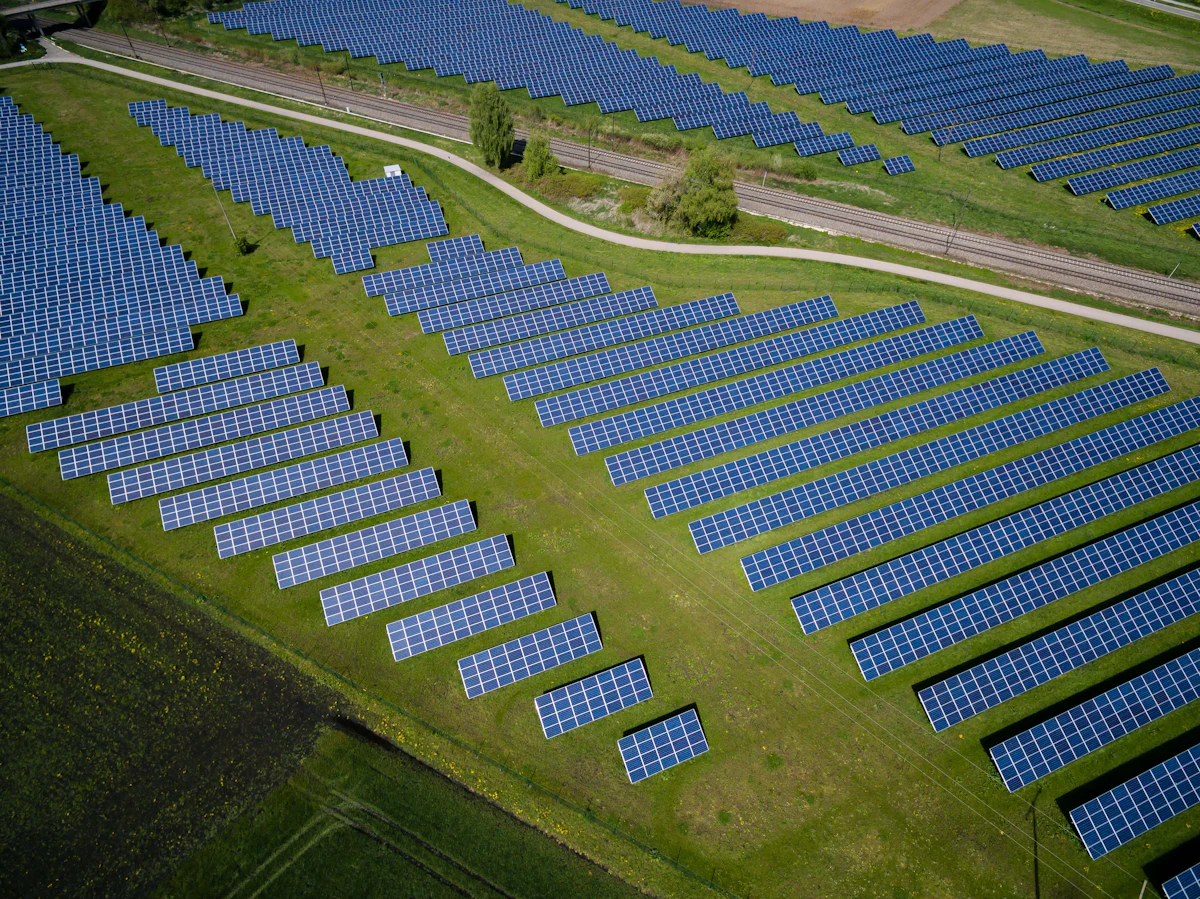
Land is expensive. Parking lots — which occupy an estimated 17,000 square miles of surface area in the United States alone — represent one of the most underutilized categories of developed land in the country. A standard parking lot generates exactly one type of value: vehicle storage capacity. A solar carport transforms that same footprint into a dual-use asset, layering electricity generation, weather protection, and potentially several additional functions on top of the existing parking use without consuming any additional land. The concept of maximizing the productivity of a single footprint through thoughtful, layered design is reshaping how property owners, municipalities, and sustainability-focused organizations think about surface parking infrastructure.
This guide explores the full range of dual-use applications that solar carports enable — beyond just parking-plus-power — and the practical considerations that determine which combinations make sense for different property types and organizational objectives.
The Core Dual-Use Logic: Parking Plus Power
The foundational dual-use proposition of a solar carport is straightforward: the vertical space above a parking surface that would otherwise go entirely to waste is used to mount solar panels, generating electricity while the surface below continues to function as parking. No land is consumed beyond the column footprint — typically less than 2% of the total parking area — and the parking lot retains its full vehicle capacity. This vertical separation of functions is the essential insight that makes solar carports one of the most space-efficient clean energy deployment strategies available, particularly in urban and suburban environments where undeveloped land for ground-mount solar is unavailable or prohibitively expensive.
Dual Use #1: Solar Generation + EV Charging
The most commonly deployed dual-use combination beyond basic parking-plus-power is adding EV charging infrastructure to the carport structure. Solar carport columns are natural conduit pathways for electrical wiring, and the canopy structure can support the electrical distribution panels and wiring runs needed to serve EV charging stations at each parking space. This co-location reduces EV charging infrastructure costs significantly compared to installing chargers in an open parking field without the carport structure — the column and wiring infrastructure is shared between the solar and charging systems. For organizations deploying both solar and EV charging simultaneously, a combined carport installation typically costs 15–25% less than separate solar and EV infrastructure projects covering the same footprint.
Dual Use #2: Solar Generation + Stormwater Harvesting
Integrating stormwater collection into a solar carport canopy converts precipitation from a waste stream into a resource. Gutters and downspouts integrated into the canopy structure collect rainfall intercepted by the panels, channeling it to underground storage cisterns or surface retention features. Collected stormwater can be used for landscape irrigation, carwashing, toilet flushing in adjacent facilities, or fire suppression storage — reducing potable water consumption and associated utility costs. A 10,000 square foot solar canopy in a region receiving 40 inches of annual precipitation intercepts approximately 250,000 gallons of water that can be harvested rather than entering the storm drain system. The incremental cost of adding gutters, downspouts, and basic storage infrastructure to an existing canopy design is typically $15,000–$50,000 — a modest addition that delivers meaningful environmental and operational value.
Dual Use #3: Solar Generation + Battery Storage
Pairing battery energy storage with carport solar creates a more sophisticated energy management capability than solar alone. The battery stores excess solar generation during peak production hours and discharges it during peak demand hours — reducing demand charges, enabling time-of-use optimization, and providing backup power for critical loads during grid outages. Battery storage enclosures can be integrated into the carport structure itself, mounted in weatherproof cabinets at column bases or in a dedicated equipment room at one end of the canopy. This co-location minimizes DC wiring runs between the solar array and storage system, improving efficiency and reducing balance-of-system costs. For facilities with significant demand charges, solar-plus-storage carports achieve financial returns that substantially exceed solar-only carports by addressing both the energy and demand components of the electricity bill simultaneously.
| Dual-Use Combination | Additional Value Layer | Incremental Cost | Best Fit |
|---|---|---|---|
| Parking + Solar Generation | Clean electricity, energy cost savings | Baseline carport cost | All commercial/institutional properties |
| + EV Charging | EV fueling revenue/benefit, fleet support | $2,000–$8,000 per stall | Employers, retailers, fleet operators |
| + Battery Storage | Demand charge reduction, backup power | $150,000–$500,000+ | High demand charge exposure, critical facilities |
| + Stormwater Harvesting | Water reuse, LEED credits, stormwater fee reduction | $15,000–$50,000 | Properties with irrigation or water reuse needs |
| + LED Canopy Lighting | Improved parking safety, reduced lighting energy cost | $5,000–$20,000 | All properties with evening parking use |
| + Green Roof / Living Panels | Biodiversity, aesthetics, insulation effect | $10,000–$40,000 | Urban properties, sustainability leaders |
Dual Use #4: Solar Carports in Agricultural Settings (Agrivoltaics)
While most commonly discussed in the context of commercial parking lots, the dual-use principle extends powerfully into agricultural settings. Agrivoltaic solar carport structures — elevated panel arrays installed above crops, livestock areas, or irrigation infrastructure — allow simultaneous crop or livestock production and solar generation from the same land area. In commercial agricultural contexts, agrivoltaic carport structures over livestock operations provide shade for animals, generating electricity while improving animal welfare. Over row crops, shade-tolerant species cultivated beneath elevated panels produce improved yields in hot climates while the panels above generate electricity. Though primarily a ground-mount agricultural application rather than a parking lot carport application, agrivoltaics represent the ultimate expression of dual-use solar land strategy and is growing rapidly as a category in USDA and DOE research and deployment programs.
Optimizing the Design for Multiple Functions
Effective dual-use solar carport design requires integrating all intended functions from the earliest design phase — not adding them as afterthoughts to a baseline solar structure. Column sizing and spacing must accommodate both the solar racking load and any EV charger conduit routing. Gutter and downspout locations must be coordinated with both drainage objectives and structural column locations. Battery storage enclosures must be positioned for efficient DC wiring runs while maintaining code-required equipment clearances and fire safety separation distances. Lighting fixtures integrated into the canopy fascia must not shadow solar panels during generation hours. Each function interacts with the others, and a coordinated design approach from a team that has executed similar multi-function installations consistently produces better technical and financial outcomes than a staged, additive approach.
- Define all intended uses before structural engineering begins — changes after design completion are costly
- Size electrical service entrance for the combined solar, EV charging, and storage loads from the outset
- Coordinate gutter and downspout locations with stormwater management objectives and structural layout
- Plan conduit routing for EV charging home runs during column fabrication, not post-installation
- Position battery storage enclosures to minimize DC wiring runs and comply with fire code separation requirements
- Integrate LED lighting fixtures into the canopy fascia in positions that avoid self-shading of solar panels
- Confirm all dual-use functions with the local building and fire marshal early in permitting — multi-function structures sometimes trigger additional review categories